
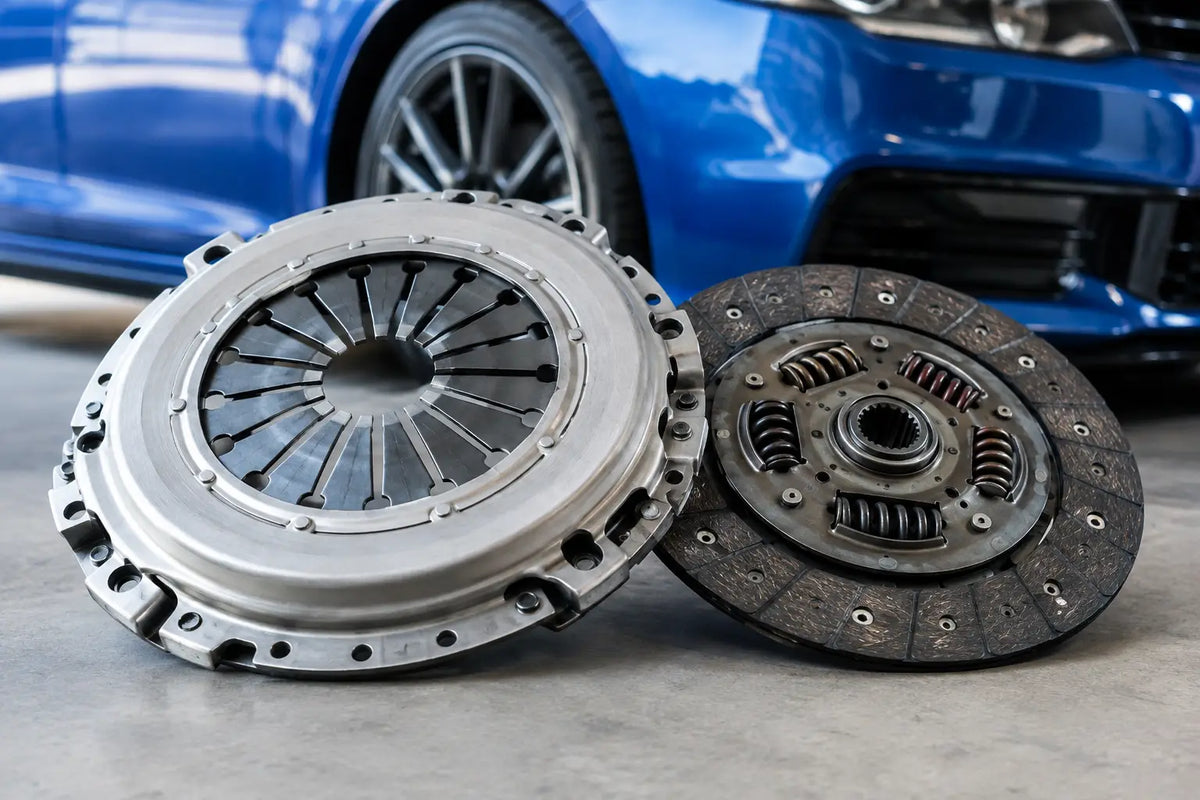
A clutch upgrade can turn a strong remap and bolt-on package into a car you can actually use hard, or it can make every queue, hill start and garage manoeuvre a chore. This performance clutch review cuts through the biggest claims and focuses on what decides whether a kit suits your build: torque capacity, friction material, flywheel choice, pedal feel and the way you drive.
The first mistake is shopping by peak power alone. Clutches react to torque, heat and repeated load. A 400 bhp turbo build with a broad torque curve can be far tougher on a clutch than a higher-revving naturally aspirated engine making similar headline power. Add sticky tyres, launches or track use, and the requirement changes again.
What a performance clutch is designed to do
A standard clutch is engineered for refinement, cost control and the torque level the manufacturer expected the car to produce. It is normally excellent for commuting, but it has a defined heat and torque limit. Once you add boost, mapping, aggressive launches or circuit sessions, the friction surface can slip even when the pedal is fully released.
A performance kit increases clamping force, improves the friction material, or both. Better kits are developed around a specific platform rather than simply using a harder disc. The pressure plate, release arrangement, disc hub, flywheel surface and bearing specification need to work together. That is why a correctly matched kit from an established manufacturer is worth more than a vague universal torque claim.
More capacity comes with compromises. Higher clamp load can mean a heavier pedal. More aggressive friction materials can create take-up that feels sharper, noisier or less forgiving at low speed. For a weekend track car, those trade-offs may be entirely reasonable. For a daily-driven Golf GTI, Civic Type R, BMW 335i or Audi S3, they need proper consideration before ordering.
Performance clutch review: the factors that matter
Torque rating is a starting point, not a target
Treat a stated torque rating as a guide rather than permission to run exactly at that figure. Manufacturers may quote ratings at the flywheel, under controlled conditions, with a particular flywheel and bedding-in procedure. Real cars see heat soak, imperfect releases, traffic, steep hills and inconsistent launches.
A sensible road and occasional-track setup should have useful headroom over the engine's real torque output. Around 15 to 25 per cent is a sensible working margin when the manufacturer presents a clear, platform-specific rating. A car running close to the limit may hold initially, then start to slip after repeated pulls or a hot session.
Also check the torque curve, not just the tuner’s peak figure. Modern turbocharged engines often produce a heavy mid-range hit that challenges the clutch before the rev counter reaches the top third. If your calibration brings maximum torque in early, select accordingly.
Friction material changes the entire character
Organic discs remain the best all-round choice for many tuned road cars. They tend to engage progressively, work quietly and put less shock through the driveline. A high-quality organic kit with an uprated pressure plate can support substantial torque while retaining the civilised behaviour most owners expect.
Ceramic or sintered metallic discs tolerate more heat and generally deliver greater torque capacity for their size. They are a common choice for hard-use turbo builds, drag-oriented cars and dedicated track projects. The cost is usually harsher engagement. A puck-style disc has less material contacting the flywheel, so it can feel more on-off at the bite point.
Kevlar-type materials can provide a middle route, with good wear characteristics and progressive engagement, but they often need a meticulous bedding-in period and may not be the answer for repeated high-heat abuse. No material is universally best. The right one depends on whether your car spends more time in town, on a B-road, at a test day or on the start line.
Disc hub design affects drivability and noise
A sprung-centre disc includes damper springs that soften driveline shock and help control gearbox rattle. For road-going builds, it is usually the sensible option. It can make pull-away smoother and is kinder to transmission components during normal use.
A rigid or unsprung disc gives a more direct connection and is often used with racing-style setups. It can sharpen response, but it transfers more shock into the gearbox, differential and driveshafts. Expect extra noise and a less relaxed driving experience. It belongs in a build where response and consistency matter more than refinement.
Flywheel choice is part of the clutch decision
The clutch does not operate in isolation. If the existing dual-mass flywheel is worn, glazed or beyond its service limit, fitting a new clutch alone is false economy. A compromised flywheel can cause judder, poor engagement and premature wear from day one.
A single-mass flywheel can reduce rotational mass, improve response and provide a durable serviceable surface. It can also introduce chatter at idle and low revs, especially on four-cylinder turbo engines and certain diesel applications. That noise is not automatically a fault, but it is a poor surprise if the car is used for long motorway miles or daily family duties.
Lightweight is not automatically faster everywhere. A very light flywheel helps an engine gain and lose revs rapidly, but it can make smooth launches more difficult and reduce the relaxed inertia that suits road use. Choose a flywheel weight that matches the engine, gearing and intended use rather than chasing the smallest number on the product page.
Match the kit to the car you actually drive
For a fast road car with a mild to strong tune, prioritise an organic or similarly progressive disc, a reputable uprated pressure plate and enough torque margin for future mapping. Pedal effort matters here. A clutch that survives the dyno but makes urban driving unpleasant is not an upgrade for most owners.
For occasional track work, heat resistance becomes more significant. The car may still benefit from an organic full-face disc if the torque level allows it, particularly where smooth corner exits and consistent modulation matter. Move towards more aggressive materials when torque, sustained temperature or repeated standing starts exceed what an organic setup can handle.
For a dedicated circuit, sprint or drag build, the decision can favour capacity and repeatability over manners. A metallic puck disc, multi-plate kit or rigid hub may be justified. Be realistic about the rest of the driveline, though. A clutch that bites brutally can reveal weak engine mounts, tired driveshafts, worn differentials and gearbox limitations very quickly.
Fitment details that prevent expensive problems
Before buying, confirm the exact engine code, gearbox type, spline count, release mechanism and flywheel arrangement. Manufacturer year ranges can be misleading, particularly on platforms with mid-production gearbox changes. A clutch listed for your model name is not enough if there are multiple transmissions underneath it.
Check what the kit contains. Some packages include a release bearing or concentric slave cylinder; others do not. On many cars, replacing the hydraulic release component while the gearbox is out is sensible preventative work. Inspect the pilot bearing where applicable, rear main seal area, clutch fork, pivot point and gearbox input-shaft splines too.
Installation quality has a direct impact on clutch life. The flywheel face must be clean and within specification, the disc must be centred correctly, and fasteners need the prescribed tightening sequence and torque. Grease belongs only where specified in a minimal amount. Excess lubricant can contaminate the friction surface and create the very slip you were trying to eliminate.
Bedding in a new performance clutch
A new clutch needs controlled use before full-load pulls, launches or track work. The exact process comes from the clutch manufacturer, but road-oriented friction materials commonly need several hundred miles of normal engagement cycles. That bedding-in period transfers material evenly and stabilises the working surfaces.
Avoid slipping the clutch excessively, but do not treat bedding in as a gentle motorway cruise either. The disc needs repeated clean engagements through varied driving. If the pedal changes, the clutch smells strongly after normal use, or engagement becomes inconsistent, inspect the installation rather than assuming it will cure itself.
Torque Lab stocks performance parts around the way enthusiasts build cars: by platform, component and proven brand. When selecting a clutch, use that fitment detail alongside your genuine torque figure and intended use. The most satisfying setup is rarely the most extreme one on paper. It is the one that hooks up cleanly when the boost arrives, survives the heat you create, and still lets you enjoy driving the car home.