
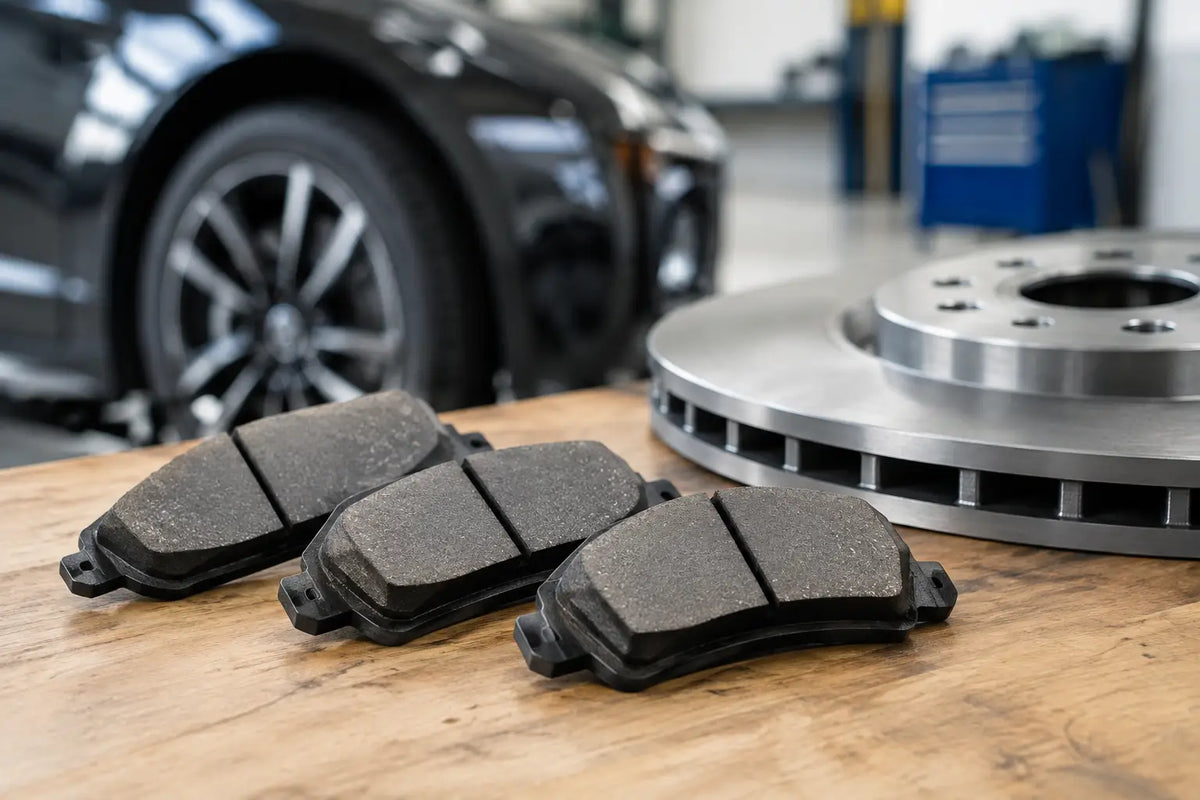
A quicker car exposes weak brakes almost immediately. Add power, fit stickier tyres or start doing repeated hard laps, and the standard pad can turn a firm pedal into a long, overheated frustration. The right performance brake pads give your car more repeatable stopping power, a more confident pedal and greater control when braking at the limit. The wrong ones can squeal on the school run, chew through discs or feel wooden when cold.
This is not a simple case of choosing the most aggressive compound available. Pad choice needs to match the car, its weight, its tyres, the caliper and disc setup, and how you genuinely drive it. A fast-road BMW used for occasional Nürburgring trips needs a different answer from a lightweight Honda built around sprint events.
What performance brake pads actually change
Brake pads turn the rotating energy of the wheel into heat through friction. A performance compound is designed to maintain that friction more consistently as temperatures rise, particularly during repeated high-energy stops. The benefit is not just a shorter single-stop braking distance. It is the ability to brake hard into the fifth, tenth or fifteenth corner without the pedal feel and response falling away.
Most upgraded pads also change initial bite, pedal modulation and resistance to fade. Initial bite is how strongly the pad responds at the first touch of the pedal. Some drivers want an instant, sharp response; others prefer a progressive pad that makes threshold braking easier. Neither is automatically better. On a wet B-road, a fierce motorsport-oriented bite can make a car feel nervous. On track, it may provide the confidence to brake later and more consistently.
Do not confuse pad fade with every braking problem. A soft or sinking pedal often points to old fluid, air in the hydraulic system or excessive caliper movement. Steering-wheel vibration may be disc run-out, uneven pad deposits or a hub-face issue. Pads matter, but they are one part of a system.
Fast-road or track: choose the compound honestly
For most modified road cars, a fast-road compound is the sensible starting point. It works from cold, improves response over an OEM pad and tolerates spirited driving, mountain roads and occasional hard use. It may produce more dust and noise than a standard replacement pad, but it remains civil enough for daily mileage.
A track-focused pad pushes its useful temperature range much higher. It is intended for sustained braking loads, heavier cars, high-grip tyres and sessions where an ordinary road compound would overheat. That extra heat capacity comes with compromises. Cold bite can be poor, low-speed squeal is common, and disc wear and dust generally increase. If your car only sees a couple of enthusiastic runs each month, a full race pad can make the ownership experience worse rather than better.
For a dual-purpose build, look for a proven fast-road/trackday compound from a brake specialist such as Ferodo or EBC Brakes. These pads sit between quiet road material and dedicated competition compounds. They are often the sweet spot for turbo hot hatches, M cars, tuned Audis and weekend-focused Japanese builds, provided the rest of the brake package can manage the heat.
Temperature range is not a trophy number
A higher advertised maximum temperature does not mean a pad is superior for every car. The key figure is its working range. A compound that performs brilliantly from 200°C upwards may be disappointing during the first stop on a cold morning. Conversely, a road pad that feels excellent around town can lose friction once the disc temperatures exceed its comfort zone.
Think about brake energy, not just engine output. A heavy four-wheel-drive saloon on semi-slicks can demand more from its front pads than a lighter, more powerful rear-wheel-drive coupe on road tyres. Long downhill sections, repeated 200 km/h stops and circuits with heavy braking zones all shift the requirement towards a more heat-tolerant compound.
Build the pad choice around the whole brake setup
Pads cannot rescue undersized discs, tired fluid or neglected calipers. Before fitting an aggressive compound, make sure the basics are right. Fresh high-temperature brake fluid, healthy hoses, freely sliding caliper hardware and correctly fitted discs make a real difference to pedal consistency. For regular track use, braided lines can improve pedal feel, but they do not cure boiling fluid or a pad that is operating outside its range.
Disc selection deserves equal attention. Many performance pads work well with quality plain or grooved discs, while some competition materials are harsher on standard iron discs. Drilled discs can offer useful weight and gas-management benefits on certain applications, but they are not automatically the best track choice. Heat cycling and cracking resistance matter more than appearance.
Tyres are another major variable. Fit a grippy 200-treadwear tyre and the car can generate far more braking force before ABS intervenes. That raises disc and pad temperatures. A brake upgrade that felt excessive on a road tyre can become entirely appropriate once the chassis is running track rubber.
Bite, modulation, noise and dust: the real trade-offs
Every pad choice moves the balance between outright performance and road manners. Higher friction can give the hard, confidence-building bite many enthusiasts want, but it can also make low-speed braking less smooth. A pad with excellent modulation may be easier to trail-brake into a corner even if its first bite is less dramatic.
Noise is not always a sign of a bad product or poor installation. Performance material naturally operates differently from an OEM comfort-focused compound, particularly at low speed and low temperature. Anti-squeal shims, clean contact points and the correct brake grease can reduce noise, but cannot turn a race pad into a silent commuter pad. The same goes for dust: darker, heavier dust is often the cost of a compound that handles serious heat.
Be realistic about the car's mission. If it carries passengers, commutes in traffic and spends most weekends on the road, a pad that works quietly and immediately from cold has real value. If it is trailered to trackdays or driven solely as a focused weekend car, heat stability and consistent feel should take priority.
Fitment is more than pad shape
A pad that physically fits the caliper is not necessarily the correct specification for your setup. Check the exact model year, engine, axle, brake-disc diameter and caliper type. Manufacturers frequently use different front brake packages within the same model range, especially on performance trims and cars with optional factory brake upgrades.
Also confirm whether the car uses an electronic wear sensor and whether retaining it matters to you. Some performance pads include a compatible sensor provision; others do not. On rear axles, consider the role of the electronic parking brake and follow the required service procedure before pushing pistons back.
Torque Lab's vehicle-specific catalogue approach makes this process quicker, but verify the details against your car rather than ordering from a model name alone. A few minutes spent confirming the brake system is far cheaper than stripping a caliper to find the new pads are wrong.
Bedding-in is part of the installation
Fresh pads and discs need a controlled bedding-in process. This transfers an even layer of pad material onto the disc face and stabilises the friction surface. Skip it, and you risk uneven deposits, vibration, reduced performance and premature wear.
Follow the pad manufacturer's procedure first, as compounds vary. In general, use a series of progressive medium-to-firm stops to bring the brakes up to temperature, avoiding full ABS stops unless instructed. Then drive long enough for the brakes to cool with minimal pedal use. Do not come to a halt and hold the pedal firmly after a heavy stop, as hot pad material can imprint on the disc.
If you are fitting pads before a trackday, bed them in properly before arriving at the circuit. The out-lap is not the time to discover a new compound has no cold response or an installation issue is causing drag.
When pads are not enough
If your current pads fade after a few laps, upgrading the compound may solve it. If the new pad still overheats, the setup may need more thermal capacity: larger discs, better cooling ducts, a caliper upgrade or a lighter wheel-and-tyre package. Brake cooling is especially worthwhile on cars that repeatedly punish the front axle, from heavy turbo saloons to front-wheel-drive track builds.
Watch the signs after each hard event. Crumbling edges, glazing, taper wear, cracked discs and boiled fluid are all feedback from the system. Use that information to refine the build rather than continually fitting the most aggressive pad on the shelf.
Choose the compound your car can use, not the one with the loudest motorsport claim. A well-matched pad, fresh fluid and properly bedded discs will make every hard braking zone feel more controlled - and leave you free to focus on the next corner.