
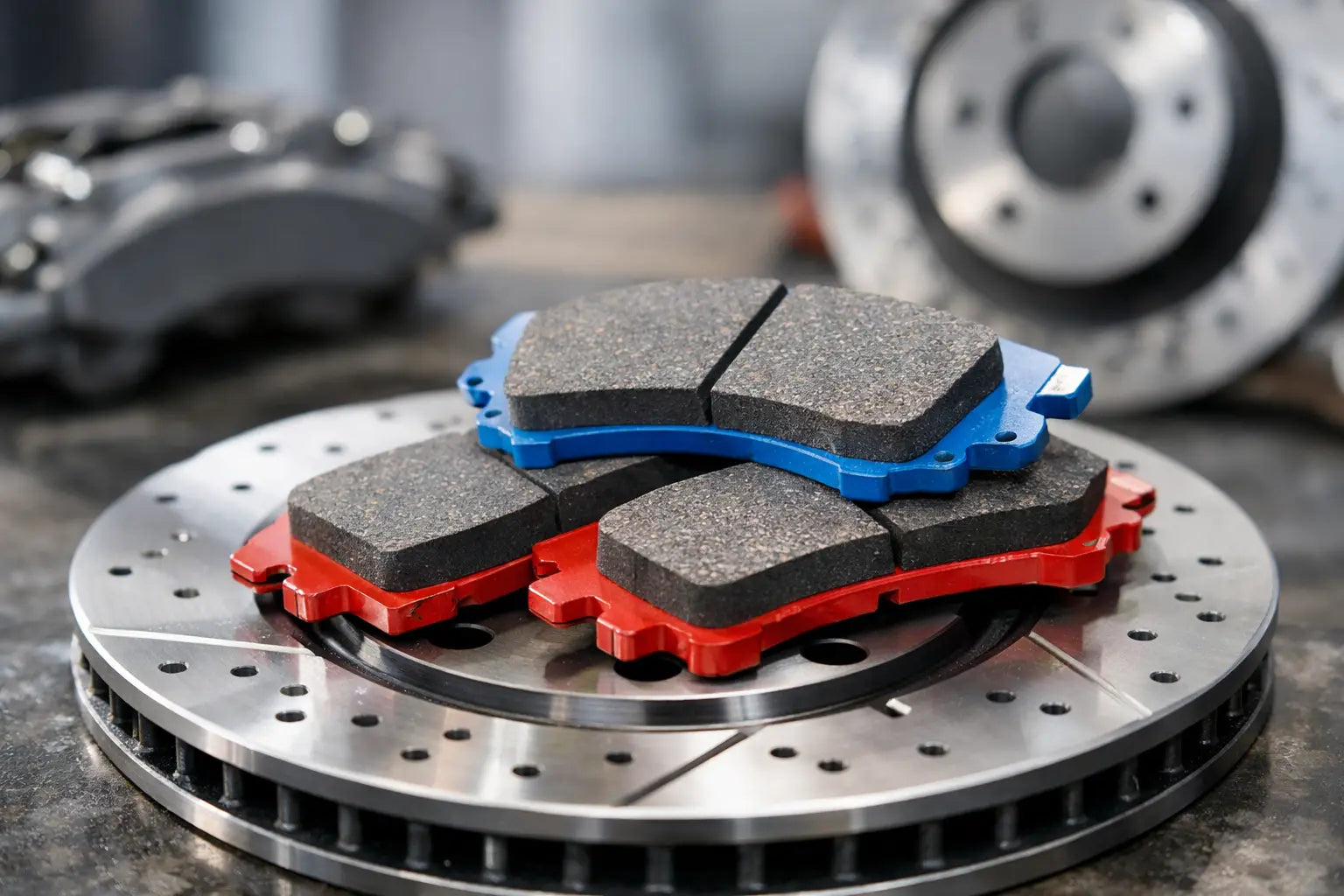
You notice brake pads properly the first time you lean on them hard - a late stop at the end of a quick B-road section, a heavy braking zone on track, or that awkward moment when an OEM-style pad starts to go long and greasy after a few hard pulls. That is exactly where an EBC brake pads review matters, because EBC sits in the sweet spot between generic replacement parts and full race-only hardware.
For a lot of enthusiasts, EBC is one of the first names that comes up when the car needs more stopping power without turning daily use into a compromise. The brand has broad fitment coverage, sensible price points, and compounds that target very different use cases. That last part is where most buying mistakes happen. EBC makes pads for commuters, fast road cars, heavier performance builds, and track-focused setups, but not every yellow, red or blue pad behaves the way forum hearsay says it does.
EBC brake pads review: what the brand gets right
EBC's biggest strength is range. If you run a hot hatch, a tuned German saloon, a lightweight Japanese coupe or a heavier turbo road car, there is usually an EBC option that fits both the caliper and the way the car is actually used. That matters because brake feel is never just about peak stopping power. It is about initial bite, temperature stability, modulation, dust, noise and rotor wear.
The other thing EBC gets right is accessibility. You do not have to jump straight to an expensive motorsport pad to get a noticeable improvement over tired factory material. For many road cars, moving into one of EBC's upgraded compounds sharpens pedal response and gives the brakes a more confident, repeatable feel under spirited use.
The trade-off is that the catalogue can look simpler than it really is. People often buy by colour name alone, then end up with a pad that is too mild for track days or too aggressive for daily road mileage. The right answer depends on vehicle weight, tyre grip, brake cooling, and how brave you are with the middle pedal.
The main EBC compounds and who they suit
Ultimax2
Ultimax2 is the closest thing in the line-up to an OEM-plus pad. It is aimed at normal road use, with decent manners from cold, low fuss in traffic, and none of the harder-edged behaviour you get from more track-aware compounds. If your car is mostly a daily and you just want a quality replacement from a known performance brand, this is the safe pick.
What it is not is a track pad. Push it repeatedly in a heavier or more powerful car and you will find the ceiling. For regular enthusiastic driving, it is fine. For repeated high-temperature abuse, look further up the range.
Greenstuff
Greenstuff tends to appeal to drivers who want a step up from standard without moving into something too serious. It offers stronger initial response than basic replacement pads and usually suits lighter performance cars and warm hatchbacks used on the road. On the right car, it feels sharper and more eager than stock.
The catch is that Greenstuff often gets oversold as a do-it-all fast road and occasional track option. In lighter cars with modest power, maybe. In heavier modern performance cars, not really. If your idea of occasional spirited driving includes repeated big stops, Greenstuff can feel out of its depth sooner than expected.
Redstuff
Redstuff is one of the most talked-about EBC compounds for good reason. It is aimed at faster road use, heavier vehicles and drivers who want stronger braking with lower dust than many aggressive alternatives. Once bedded in properly, it can offer a strong blend of bite, heat tolerance and day-to-day usability.
This is often the sweet spot for tuned road cars that are driven properly but not hammered around circuits every other weekend. It generally suits powerful road cars, bigger saloons and heavier turbo builds better than Greenstuff does. Cold performance is still road-friendly, but it comes alive more once some temperature is in the system.
Yellowstuff
Yellowstuff is where the conversation gets more serious. This is the compound many enthusiasts look at when the car sees proper fast road use and occasional track time. It has a stronger operating window than the softer road-biased options and generally copes better with repeated hard braking.
That does not automatically make it a race pad. On track, Yellowstuff can work very well in lighter cars or for novice to intermediate track-day drivers, but its limits still depend heavily on weight and speed. In a stripped hatchback on decent tyres, it can be a smart dual-use choice. In a heavy, fast car doing repeated hot laps, you may still want a more focused track compound.
Bluestuff and RP compounds
Once you move into Bluestuff or EBC's RP range, you are firmly in track-day and motorsport territory. These compounds target drivers who care more about sustained temperature control and consistent braking under punishment than low dust or quiet operation on the school run.
They can be excellent in the right setup, but they are not the default answer for a road car. More aggressive compounds tend to ask more from the discs, can be noisier, and often feel less civilised in cold stop-start driving. If your car mostly lives on the road, going too aggressive is a classic way to spend more money for a worse overall result.
How EBC pads feel on the road
For daily and fast road use, EBC's appeal is simple: many compounds offer a cleaner, more confidence-inspiring pedal than generic motor factor pads. The better options in the range tend to resist that vague, over-assisted feeling some standard pads develop when pushed. You get a more direct connection between pedal effort and stopping response.
Noise and dust depend massively on compound, bedding-in quality and disc condition. Redstuff is often chosen by drivers who want a cleaner wheel than some rival performance pads, while Yellowstuff and the more track-focused options can be less forgiving if the rest of the braking system is not in good shape. Warped expectations are common here. A pad upgrade will not hide poor fluid, tired sliders or heat-cracked discs.
Cold bite is another area where EBC generally performs well compared with some more hardcore motorsport alternatives. That is one reason the brand remains popular with mixed-use builds. You can improve braking performance without making the car annoying every time you nip to the shops.
How they hold up on track
This is where any honest EBC brake pads review needs to be clear. EBC makes some compounds that are perfectly usable on track, but not every EBC pad is a track pad just because it sits in a performance catalogue.
Yellowstuff is the usual crossover choice for dual-purpose cars. In lighter hatchbacks, coupes and modest-power track-day builds, it can deliver strong sessions if the rest of the system is sorted. In heavier cars with sticky tyres and ambitious drivers, it may start to show fade or accelerated wear once temperatures really climb.
For more serious circuit use, Bluestuff and RP compounds make more sense. They are better matched to repeated hard stops, higher rotor temperatures and drivers who brake late consistently. The downside is the usual one: more performance at the limit often means less comfort on the road.
The weak points
EBC is not magic, and there are a few realities worth knowing before you buy. First, bedding-in matters more than many people think. An incorrectly bedded set of performance pads can feel flat, noisy or inconsistent, and then the pad gets blamed for an installation problem.
Second, compound choice is everything. A lot of mixed reviews online come from drivers using a pad outside its intended range. Put Greenstuff in a heavy tuned car and ask it to survive hard track use, and disappointment is predictable.
Third, EBC's broad fitment range is a strength, but it also means your exact result depends on vehicle platform. The same pad can feel brilliant on a light Civic and merely acceptable on a much heavier Audi or BMW. Weight changes everything in braking.
So, are EBC brake pads worth it?
Yes - if you buy the right compound for the job. That sounds obvious, but with EBC it is the whole story. Ultimax2 works well as a quality road replacement. Redstuff is often the smart upgrade for fast road drivers in heavier or more powerful cars. Yellowstuff makes sense for genuine dual-use builds, and Bluestuff or RP compounds are where serious track work starts.
If your goal is a better fast-road brake setup from a recognised aftermarket brand, EBC remains an easy recommendation. The pricing is usually sensible, fitment support is broad, and the performance jump over low-grade stock replacement pads can be very noticeable. Just do not buy on badge colour alone, and do not expect one compound to master commuting, mountain roads and hard track sessions equally well.
The best brake pad is the one that suits the car you have built, not the one with the loudest reputation.